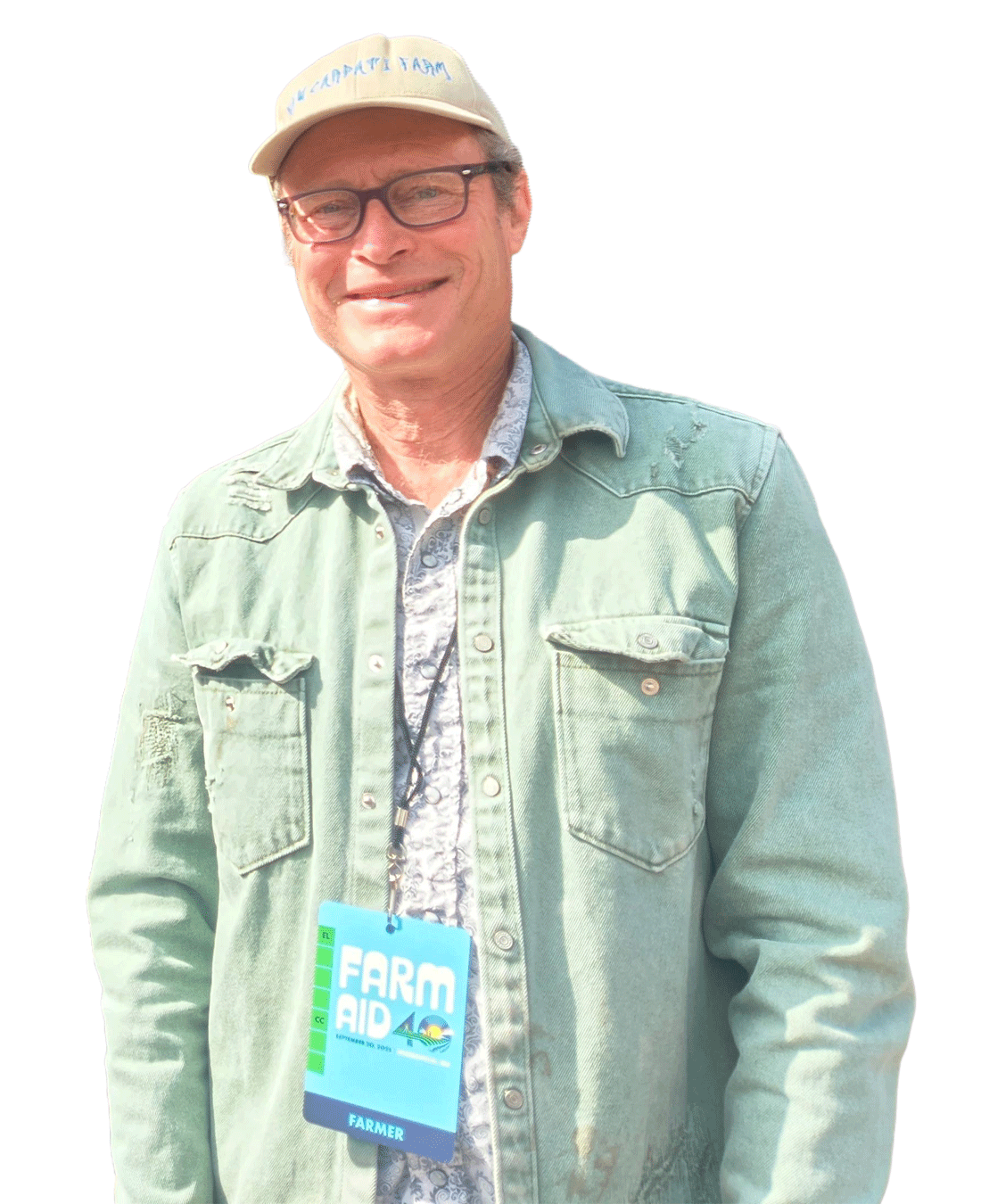
steve schwartz
His life Story
Non-Profit Executive, Organic Farmer, Advocate.
Steve Schwartz has been a lifelong champion for family farmers, public education, and climate-resilient communities. He has spent his career advancing a more sustainable and just food system, protecting local landscapes, and ensuring every child has access to strong public schools.
Now he’s running for the California State Assembly to bring those values—and his proven advocacy—to Sacramento.
Roots & Values.
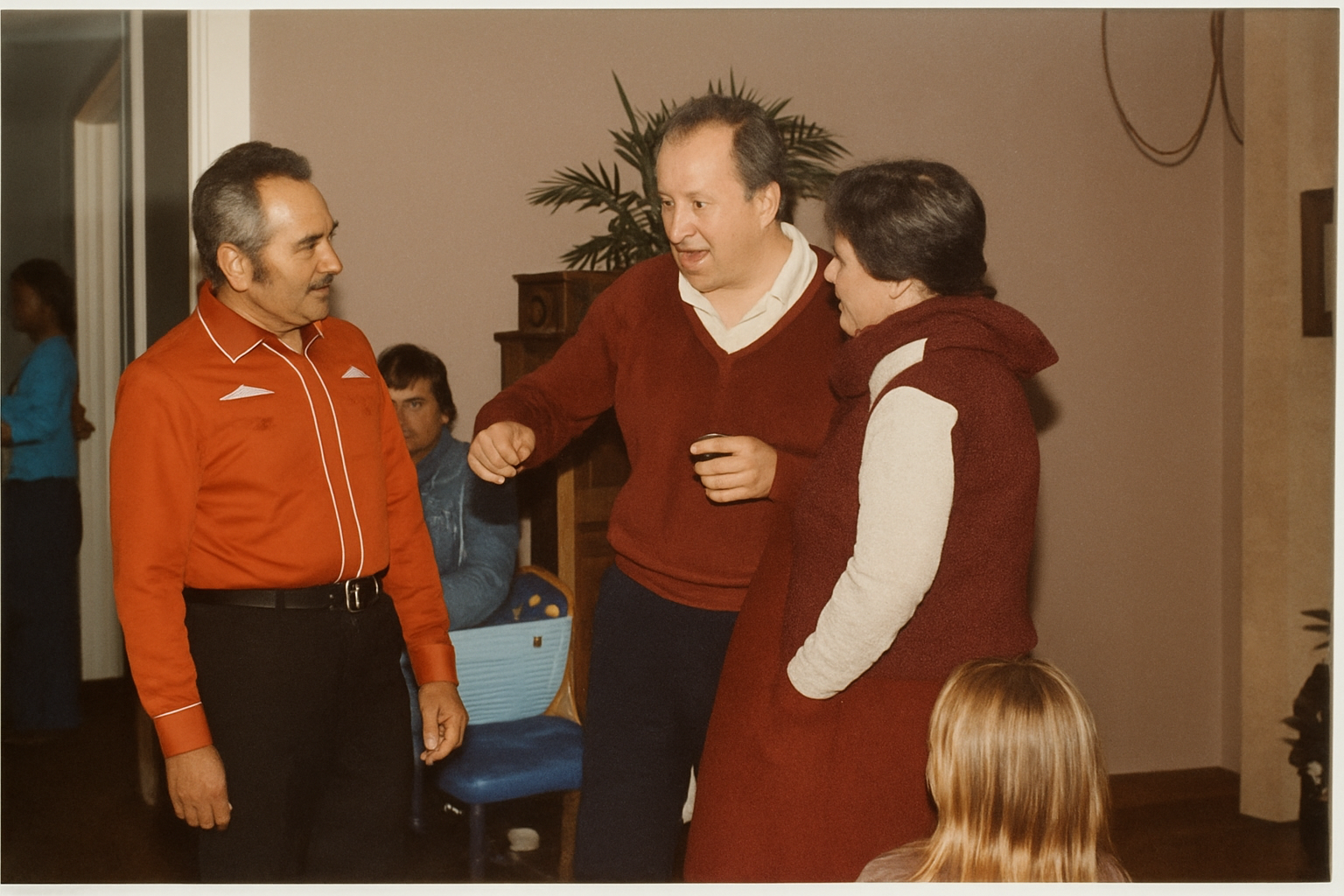

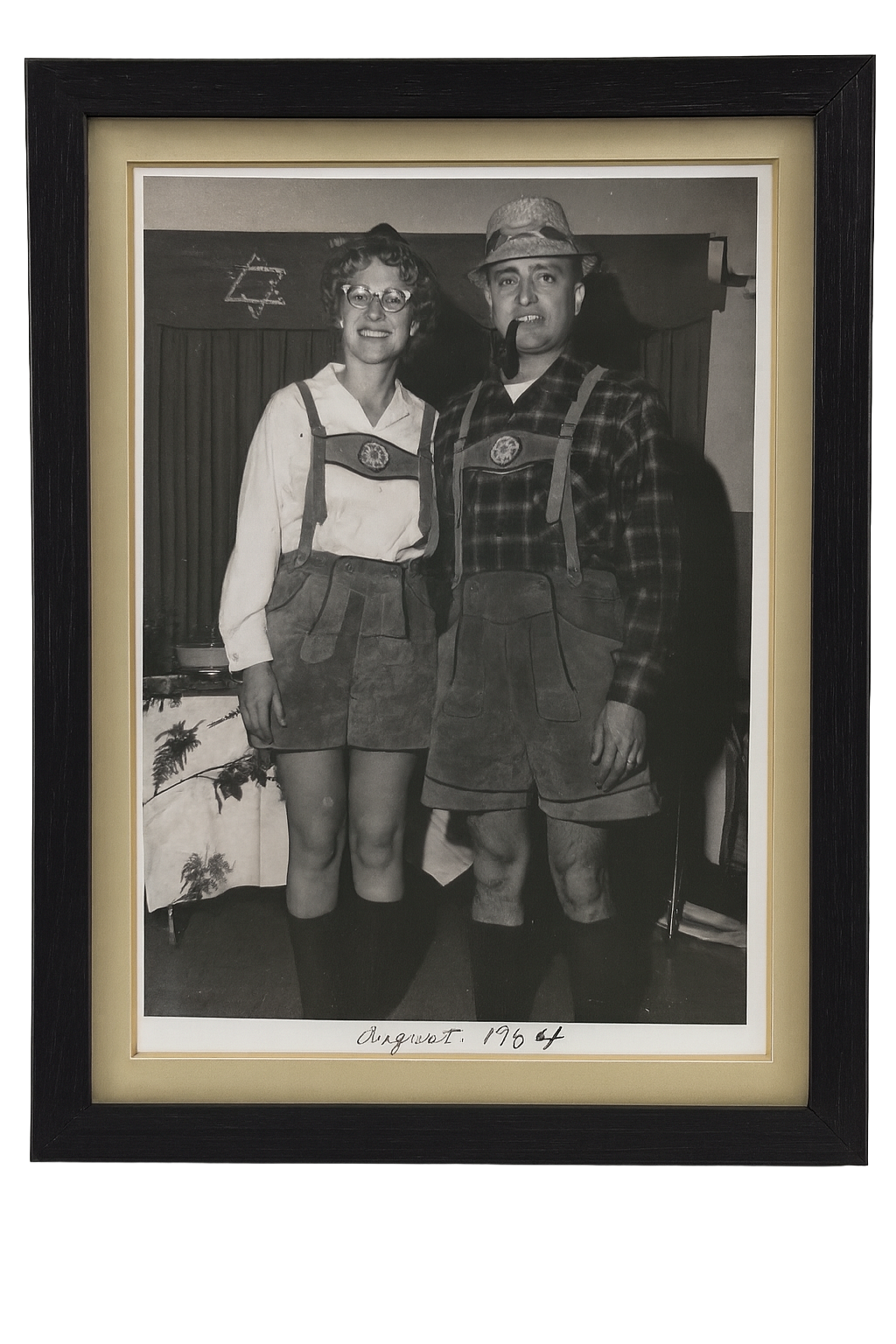
Steve was raised in California by his parents, Miki and Betty Schwartz, who instilled in him the values of hard work, education, and service to the community.
His mother, Betty, a preschool teacher, reinforced the importance of human dignity and fairness, while his parents together taught their three children that standing up for others is a responsibility, not a choice.

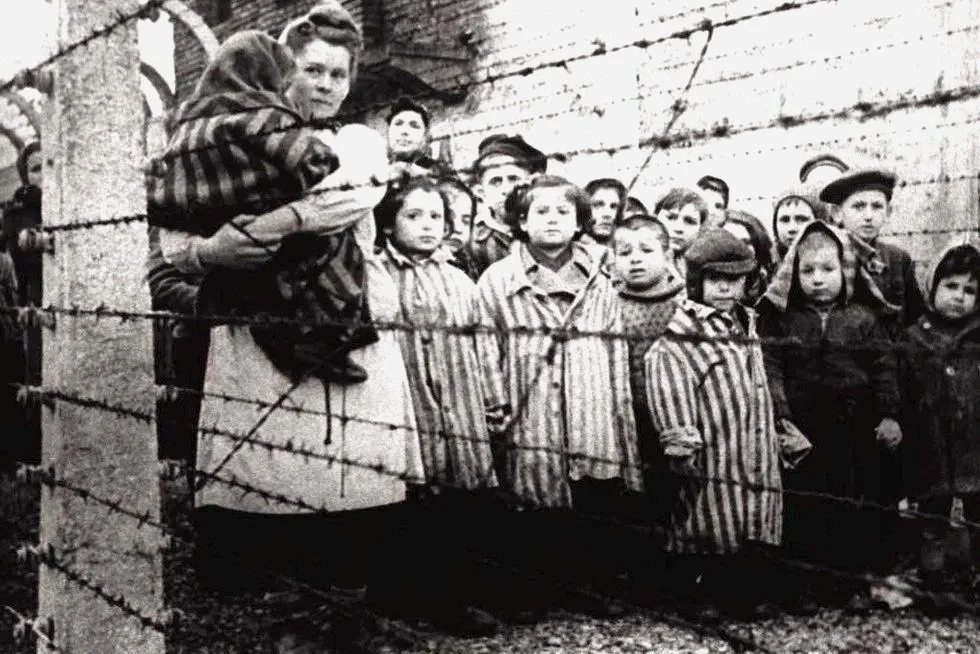
As a young man, Steve came to more fully understand the depth of those lessons through his father’s story. As a young boy, Miki survived the Auschwitz Nazi death camp—an experience that profoundly shaped Steve’s understanding of the dangers of hatred, extremism, and dehumanization, and the moral obligation to confront them.
These family values shaped Steve’s belief that public policy must protect vulnerable communities and safeguard democracy. They also underpin his lifelong commitment to empower people—especially farmers, workers, and students—to build a more just and sustainable world through collective action and public service.
The Seeds of Public Service.
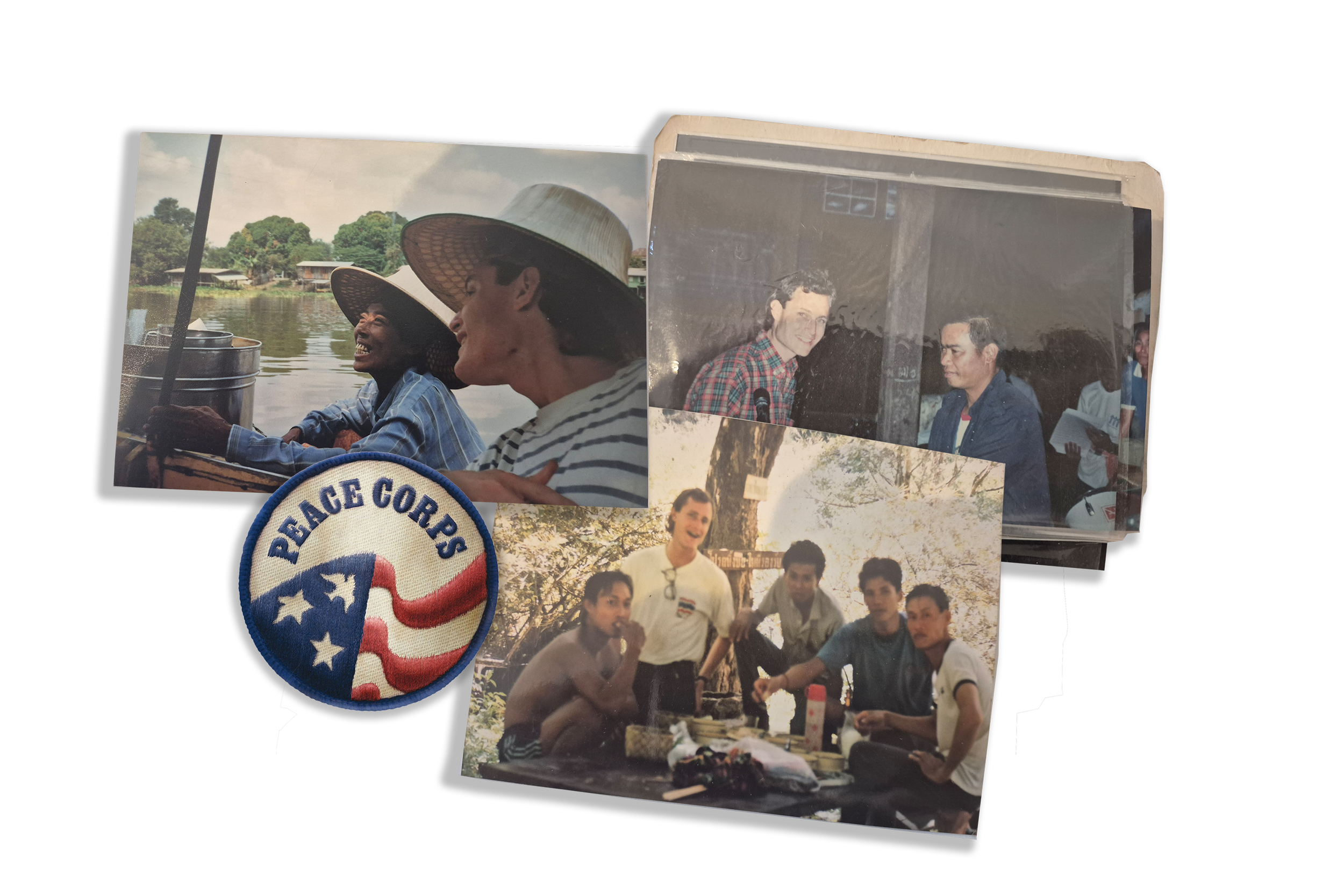



Steve served in the Peace Corps in Thailand, helping Mien hilltribe women create peer-lending programs—and discovering for himself the critical need for sustainable agriculture.
Steve began his public‑service career as a grassroots organizer for Democratic legislative campaigns across California, helping elect lawmakers committed to environmental protection, affordable housing, agriculture, educational equity, and economic justice.
In the late 1990s, he became one of the youngest Chiefs of Staff in the California Legislature, serving Assembly Members Julie Bornstein and then Virginia Strom‑Martin, who represented the North Coast. In those roles, Steve helped advance key policies, including incentivizing farmers to adopt sustainable agriculture practices and farmland‑protection legislation, giving him deep experience in how Sacramento works and how to deliver meaningful reform for everyday Californians.
A Defender of Our Farms, Our Land, and Our Climate.

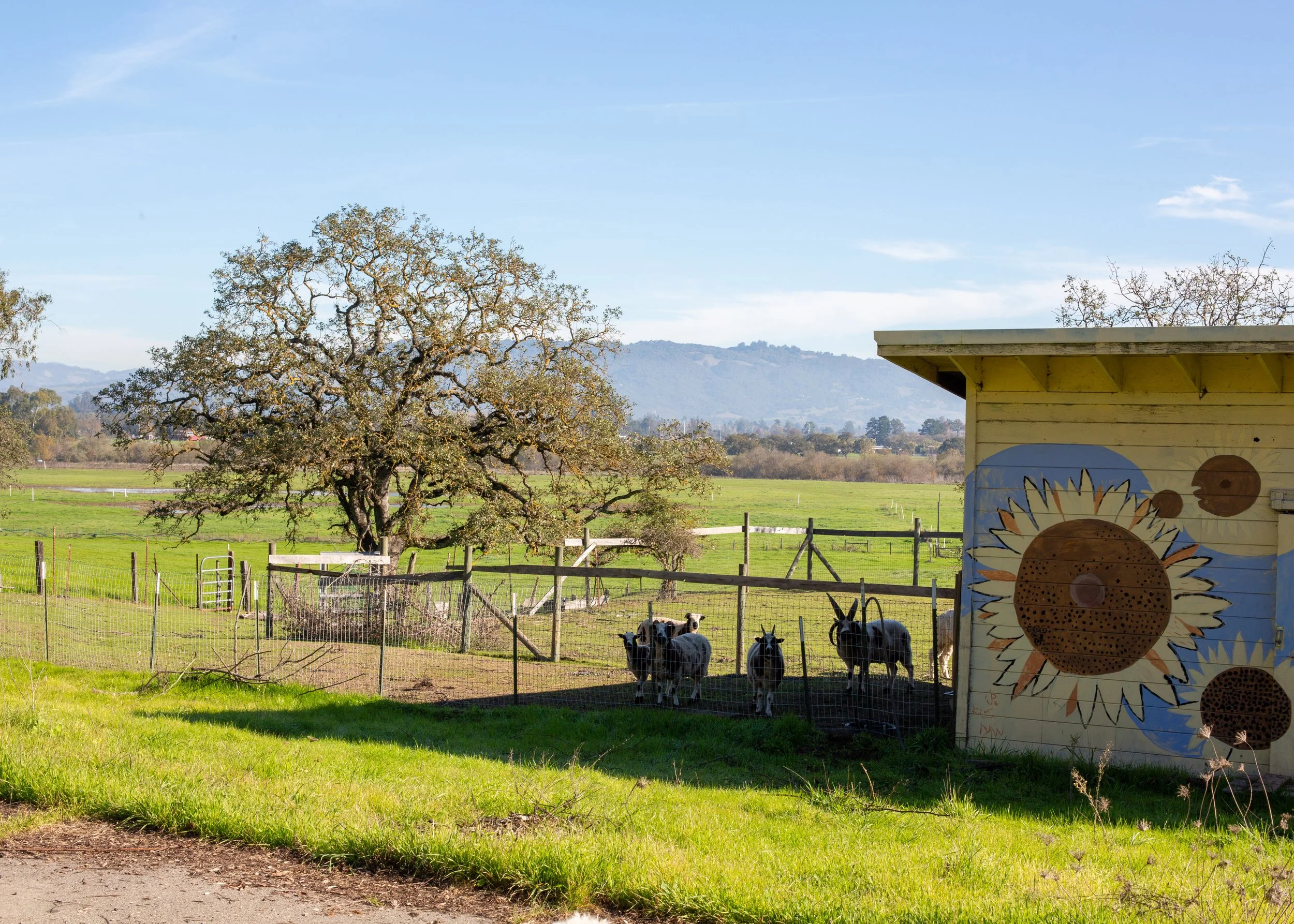
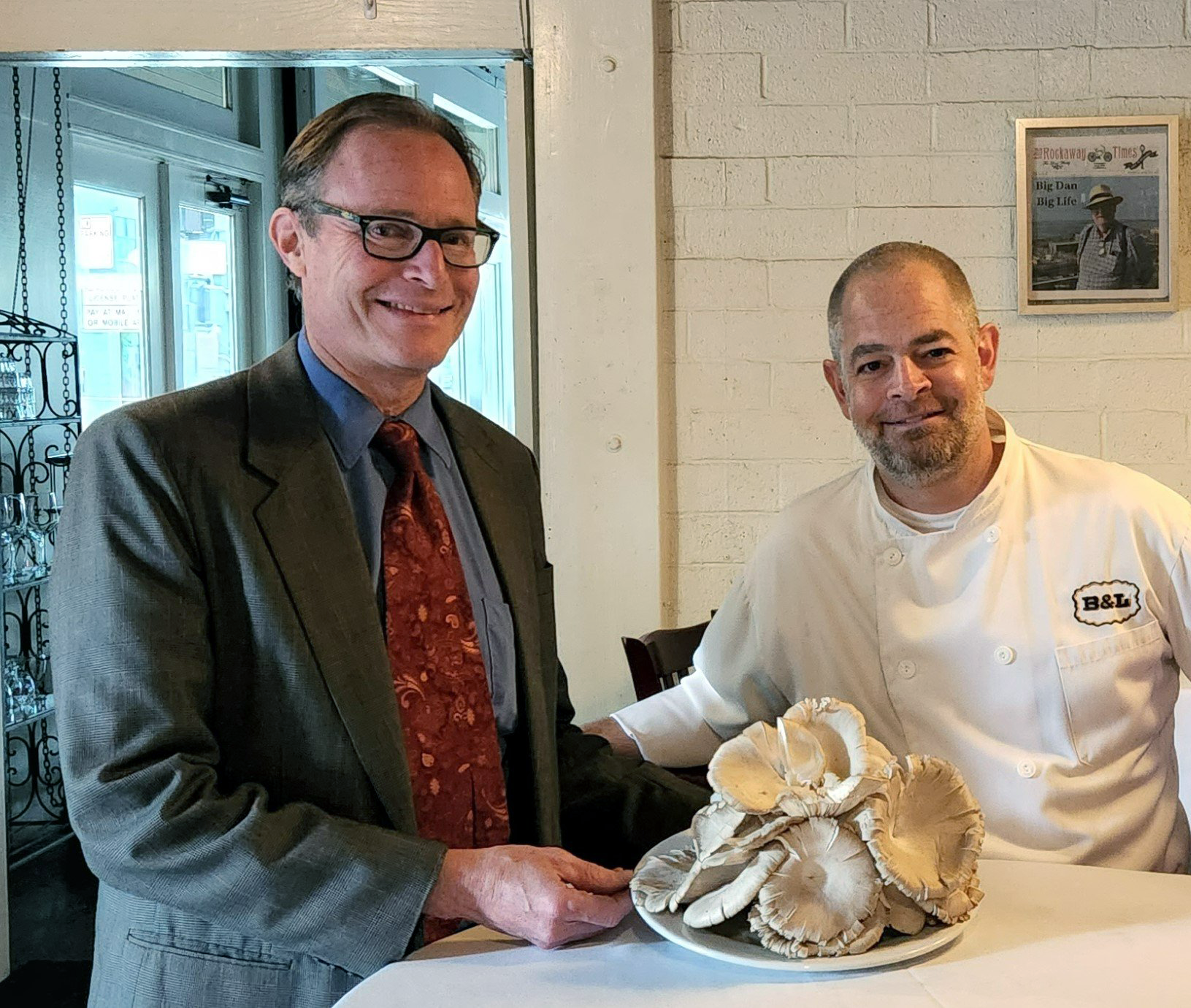
Steve built a successful organic farm specializing in Shitake and Oyster mushrooms, and agri-tourism.
Inspired by his Peace Corps experience and his parents’ values, Steve committed to a career of public service advocating for family farm business, land conservation, and organic agriculture. He later pursued a longtime dream—by starting New Carpati Farm and connecting to his family roots. He, along with his daughters, sold at local farmers' markets, hosted agricultural tourism workshops and events at his home for more than 20 years, and learned firsthand the rewards and challenges of farming.
But Steve wanted to help others succeed, as well. So in 1998, he founded the nonprofit California FarmLink to help farmers gain access to land and capital. Today, as a Community Development Financial Institution (CDFI), FarmLink is nationally recognized for providing more than 900 loans and $100 million in financing to farmers who would otherwise not have access to capital.

Faith, Food, & Community.
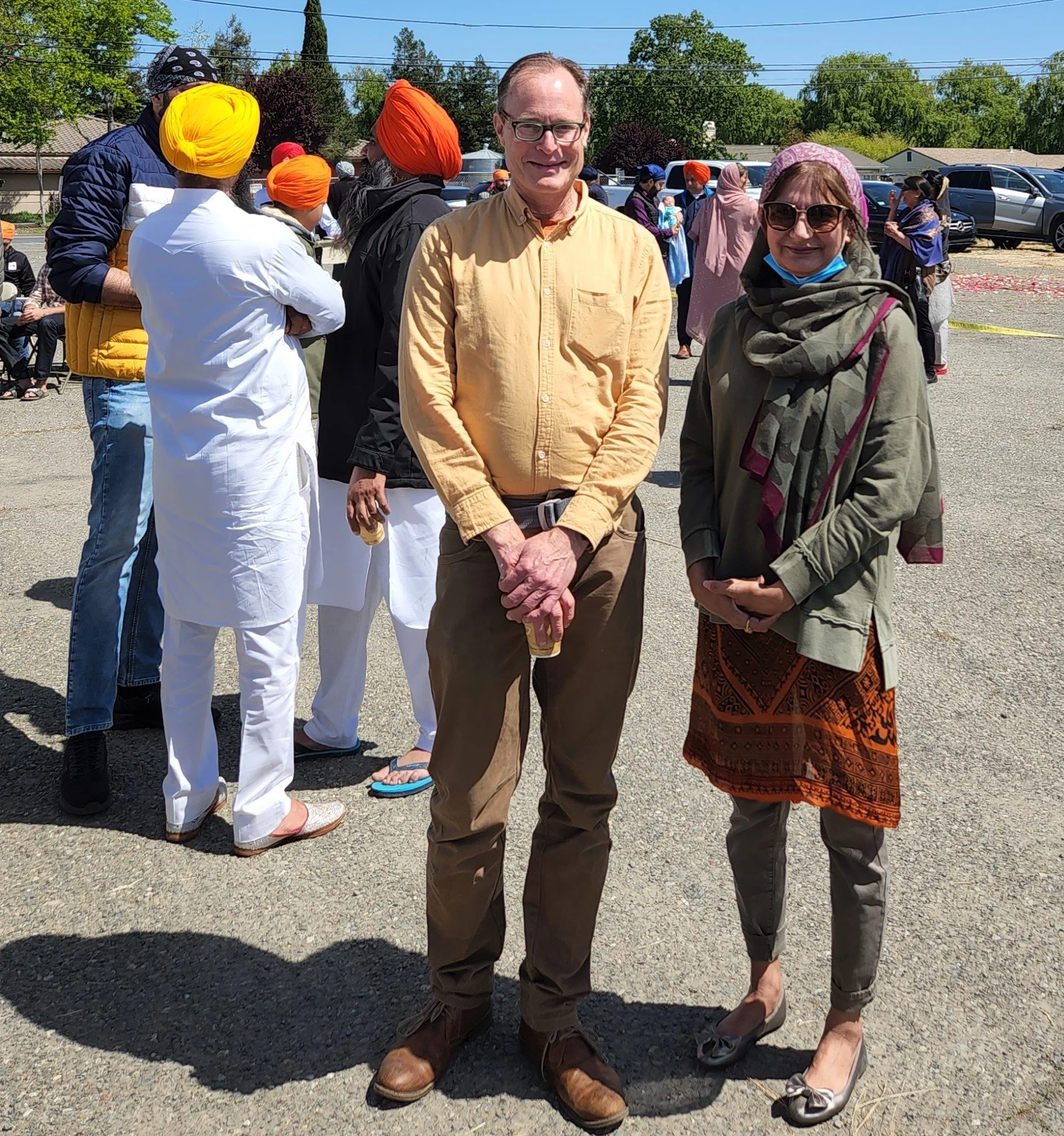

Bringing people together across lines of faith, culture, and identity is one of the most effective ways to fight hate and strengthen community bonds.
Steve founded the Interfaith Sustainable Food Collaborative, which partners with hundreds of faith communities and family farmers to expand affordable access to local, farm‑fresh food. The Collaborative has supported Buddhist, Christian, Jewish, Muslim, and Sikh congregations in creating community gardens, organizing farm‑to‑congregation partnerships, and running nutrition‑incentive programs that make organic produce more affordable for low‑income families.
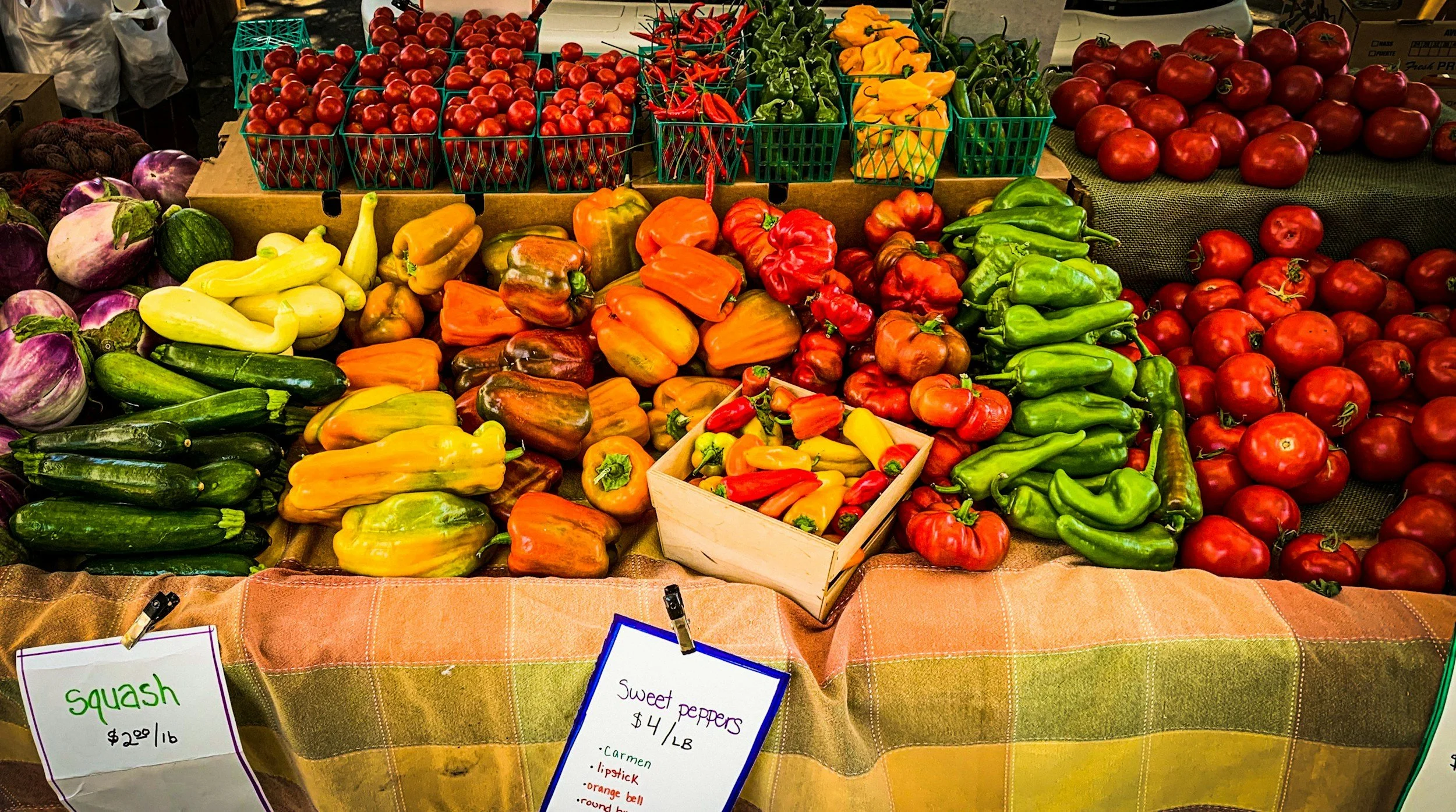

In 2021, Steve led a coalition that secured California’s first-ever state augmentation of federal Senior Farmers Market Nutrition Program dollars.
Today, he serves as the National Coordinator for FaithLands, supporting communities in 28 states working to make land owned by religious institutions available to beginning, women, and immigrant farmers. He also served six years on the statewide board of the California Reinvestment Coalition (now Rise Economy), helping ensure financial institutions invest in low-income communities and communities of color.

Champion for education and workers.
Schwartz believes public education is the great equalizer—and he brought bold, results-driven leadership to his service on the Gravenstein Union School District Board.
As Board President, he led decisive reforms: restructuring an inequitable dual-track program so every student received a high-quality education, expanding union representation for classified employees, forging stronger community partnerships, and making sure youth sports, 4H, and Scouts were welcome to use District facilities.
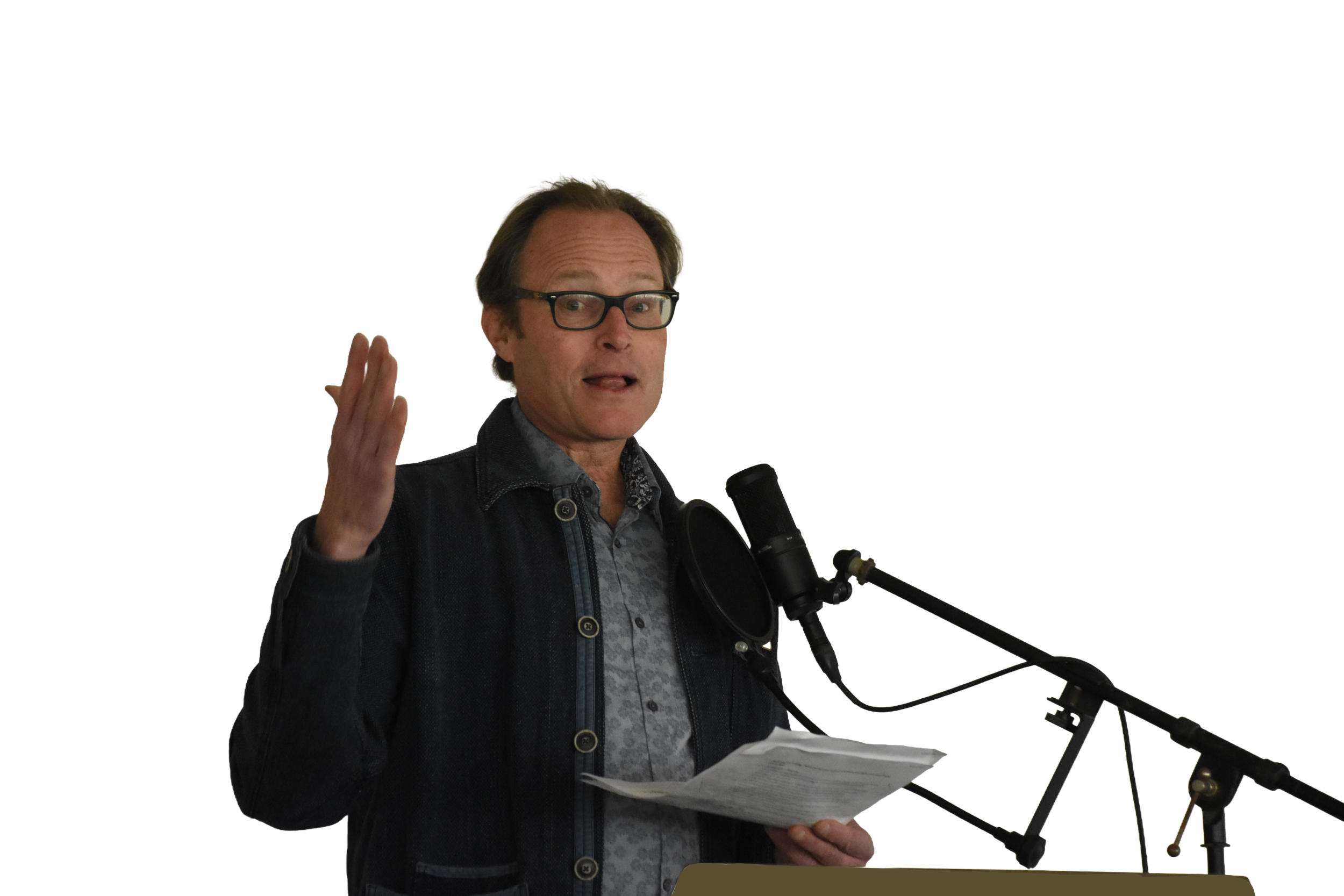
North Bay Grassroots Values Leading the Way on Sustainable Farming.
For over 25 years Steve has joined our communities’ fight to protect local landscapes and watersheds.
He led a multi-year program to bring structural innovations to ensure the integrity of farmland protection programs for family farmers.
Those innovations helped ensure that the mission of land trusts such as the Marin Agricultural Land Trust, the Sonoma County Agricultural Preservation and Open Space District, and other land trusts truly protected family farms for agricultural uses, not estates.
Steve has worked to continue local urban growth boundaries in the North Bay. Steve also created California’s first‑ever state augmentation of federal Senior Farmers’ Market Nutrition Program dollars, increasing access to fresh produce for low‑income seniors while supporting local farms.
Whether organizing forums, phone-banks, or door-knocking his advocacy to maintain the character of our North Bay communities always centers on supporting local family farmers.

A North Bay Kind of Dad
Steve loves spending time outdoors—kayaking, fishing, hiking local trails, and enjoying the North Bay’s undiscovered organic culinary gems. He also enjoys dancing, listening to live music, and, yes, you might even catch him playing a little guitar at an open mic.
Steve has served on the boards of the International Farm Transition Network, Sonoma County Farm Trails, and the Marin Food Policy Council, and is a current board member of Congregation Shomrei Torah in Santa Rosa.
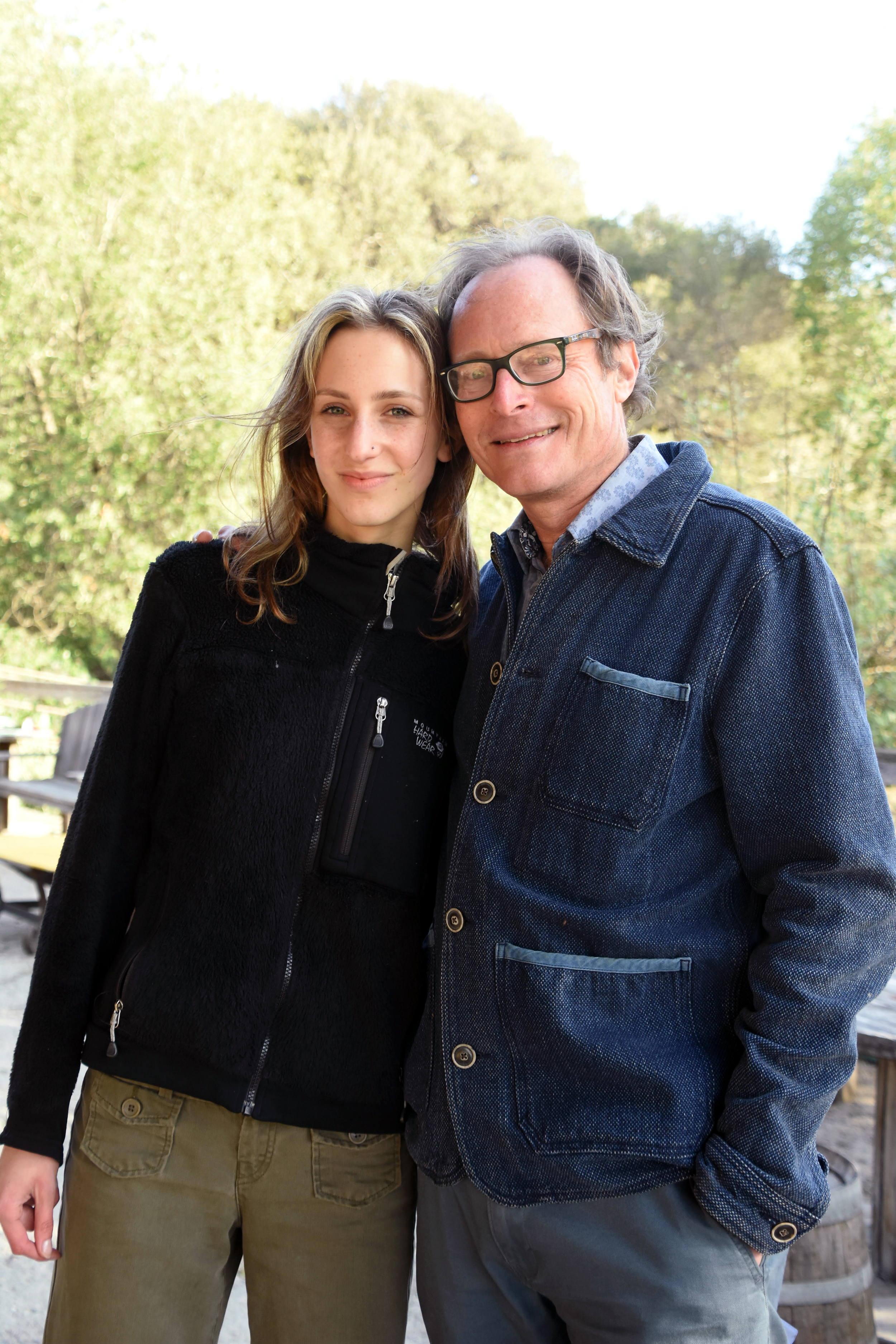
Steve is the proud father of Talia and Noa, and coached their youth soccer teams for seven years. And Steve can hold engaging conversations in Spanish, Thai, Laotian, and can order off a menu in Hebrew